Roman Story Font: Elevate Your Handmade Brand
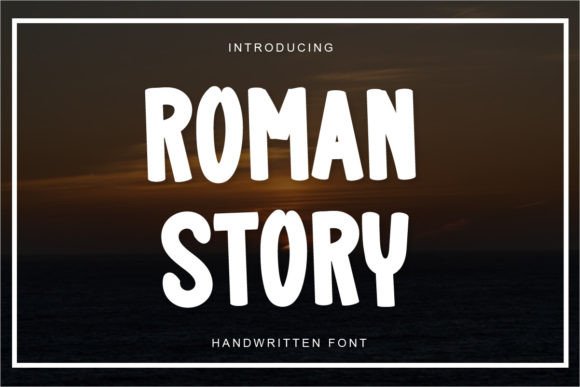
As a small shop owner who spends hours perfecting every detail of my products, I know that the right typeface can make or break a sale. It is not just about letters; it is about the feeling those letters evoke in a customer before they even touch the item. That is why I was so drawn to Roman Story. This script handwritten style embodies a perfect harmony between sophistication and youthful exuberance. It captures a specific kind of elegance that feels both timeless and fresh, making it an ideal choice for projects seeking to infuse a sense of personal care and high-end quality into physical goods.
When you are creating handmade labels, stickers, or invitations, you need a font that does more than just spell out a name. You need a design asset that tells a story. Roman Story excels here because its strokes have a natural flow that mimics genuine handwriting without sacrificing legibility. For crafters using Cricut or Silhouette machines, this balance is crucial. A font that is too loopy can be a nightmare to weed, while one that is too rigid lacks soul. This script font sits right in the sweet spot, offering beautiful curves that cut cleanly and adhere smoothly to jars, boxes, and cards.
Practical Applications for Makers and Sellers
The versatility of Roman Story shines when applied to real-world product scenarios. I have found it particularly effective for boutique branding where the goal is to establish a strong brand identity. Imagine applying this handwritten font to candle labels. The elegance of the script suggests a premium scent experience, elevating a simple soy wax blend into a luxury item. Similarly, for wedding stationery, this premium font works beautifully on save-the-dates, menu cards, and place settings. Its youthful energy prevents the design from feeling stuffy or overly traditional, appealing to modern couples who want sophistication with a fun twist.
Beyond paper goods, this display font translates wonderfully to hard goods. Whether you are pressing designs onto tote bags, printing on mugs, or creating vinyl decals for farmhouse signs, the weight of the strokes ensures visibility. For seasonal craft designs, such as holiday gift tags or Christmas ornament personalization, Roman Story adds a festive yet classy touch. It is also a fantastic option for digital downloads. If you sell printable wall art or planner pages, using this creative font for titles and inspirational quotes can significantly increase the perceived value of your digital files.
Readability and Production Tips
One of the biggest challenges with script fonts is maintaining readability, especially on small scales. When using Roman Story for product labels or tiny stickers, it is essential to test your sizing before committing to a full production run. While this typeface is designed for clarity, intricate swashes can sometimes get lost if printed too small. My advice is to use it primarily for short phrases, names, titles, and decorative wording. It is not intended for long blocks of body text, where a clean sans serif font would be more appropriate. By reserving Roman Story for headlines and key branding elements, you ensure that your message remains clear and impactful.
For those working with cutting machines, always preview your design at 100% scale. Check how the connections between letters render. If your software allows, adjust the kerning slightly to ensure smooth cuts without breaking the delicate tails of the letters. This attention to detail prevents frustration during the weeding process and ensures your final product looks professional.
Strategic Font Pairing for Cohesive Designs
To get the most out of Roman Story, consider how it interacts with other typography. A common mistake is pairing a complex script with another busy font, which creates visual clutter. Instead, try pairing this expressive handwritten font with a simple sans serif font like Montserrat or Lato. The contrast between the flowing script and the geometric simplicity of the sans serif creates a modern, balanced look that is very popular in current modern typography trends.
Alternatively, for a more classic and editorial feel, pair Roman Story with a refined serif font. This combination works exceptionally well for wedding invitations and high-end packaging design. The serif provides a sturdy foundation, allowing the script to dance across the page with confidence. These font pairing strategies help guide the viewer's eye and establish a hierarchy of information, ensuring that your brand name or product title stands out while supporting details remain readable.
Technical Features and Commercial Use
Before integrating Roman Story into your commercial workflow, it is vital to review the specific technical features included in the file. Many modern script fonts come with alternates, ligatures, and swashes that allow you to customize the look of specific words. Checking for these features can help you avoid repetitive letter shapes in longer words, giving your logo design or signage a truly unique appearance. Additionally, verify if the font supports multilingual characters if you plan to sell to an international audience or create designs in languages other than English.
Finally, always pay close attention to the licensing agreement. As a seller of physical products, templates, and digital downloads, you need a commercial font license that explicitly covers your intended use. Most reputable font creators offer licenses that permit selling finished physical goods like shirts, mugs, and printed invitations. However, rules regarding digital templates or SVG designs can vary. Ensuring you have the correct license protects your business and respects the creator's work. When used correctly and legally, Roman Story becomes more than just a tool; it becomes a cornerstone of your shop's aesthetic, helping you build customer recognition and emotional appeal through consistent, beautiful design.